
Introduction
UI UX design tools are essential for anyone who wants to create websites, mobile apps, or digital products that people enjoy using. In today’s digital world, users expect clean layouts, smooth navigation, and fast interactions. If a product looks confusing or feels difficult to use, people leave quickly. That is why UI UX design tools play a very important role in modern design work. These tools help designers plan ideas, design screens, test user behavior, and improve the overall experience before development starts.
For beginners, UI UX design tools make learning easier by offering ready-made components, drag-and-drop features, and simple workflows. You do not need to be a coding expert to start designing. At the same time, intermediate designers use these tools to build advanced prototypes, manage design systems, and collaborate with teams. From wireframes to final visuals, everything can be done in one organized process.
Another reason UI UX design tools are popular is efficiency. They save time, reduce mistakes, and help teams communicate better. Designers, developers, and clients can all see the same designs and share feedback in real time. This reduces confusion and improves final results. As businesses focus more on user-centered design, learning how to use the right UI UX design tools becomes a valuable skill. Whether you want to become a designer or improve your product quality, understanding these tools is a smart step forward.
What is UI UX Design Tools?
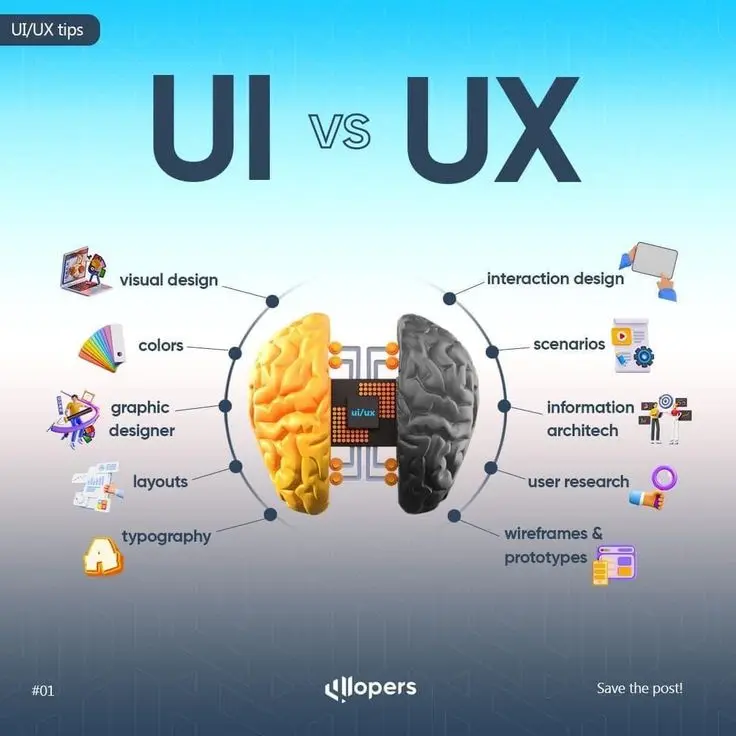
UI UX design tools are software applications used to design user interfaces and improve user experiences. UI stands for User Interface, which focuses on how a product looks. UX stands for User Experience, which focuses on how a product works and feels for users. These tools help designers create layouts, buttons, colors, icons, and interactions in a structured way.
UI UX design tools support different stages of the design process. Some tools are used for research and wireframing, while others focus on visual design and prototyping. Many modern tools combine all these features in one platform. This allows designers to move from idea to final design smoothly without switching between multiple apps.
Another important feature of UI UX design tools is collaboration. Teams can work together, leave comments, and track changes easily. This is very helpful for remote teams and agencies. Overall, UI UX design tools turn creative ideas into clear, usable designs that developers can build and users can enjoy.
Why is UI UX Design Tools Important?
UI UX design tools are important because they directly affect how users interact with digital products. A well-designed interface makes users feel comfortable and confident. On the other hand, poor design leads to frustration and loss of trust. These tools help designers avoid such problems by testing and improving designs early.
Another reason UI UX design tools matter is consistency. They allow designers to create design systems with reusable elements. This keeps the product consistent across all screens and platforms. Consistency improves usability and strengthens brand identity.
UI UX design tools also save time and cost. Fixing design issues before development is much cheaper than fixing them after launch. With proper tools, designers can identify usability problems early and make quick changes. This leads to better products and happier users.
Detailed Step-by-Step Guide
Step 1: Understand User Needs
The first step in using UI UX design tools is understanding the users. Designers start by researching the target audience. This includes learning about user goals, problems, and behaviors. Some UI UX design tools support surveys, personas, and user journey mapping to organize research data.
Once user needs are clear, designers can make better design decisions. This step ensures that the final product solves real problems instead of guessing user preferences. Skipping this step often leads to poor results.
Step 2: Create Wireframes
Wireframing is the process of creating simple layouts of screens. UI UX design tools offer wireframing features with basic shapes and placeholders. Wireframes focus on structure, not visuals. They show where content, buttons, and navigation will appear.
This step helps designers plan layouts quickly. It is easier to change wireframes than finished designs. Feedback from stakeholders is also easier at this stage because the focus is on functionality.
Step 3: Design User Interface
After wireframes are approved, designers move to visual design. UI UX design tools provide color palettes, typography controls, icons, and grids. Designers use these features to create attractive and consistent interfaces.
At this stage, branding elements are added. Colors and fonts are chosen carefully to match the product’s identity. Visual hierarchy is also important to guide users naturally through the interface.
Step 4: Build Interactive Prototypes
Prototyping allows designers to simulate real interactions. UI UX design tools make it easy to link screens, add transitions, and create clickable elements. Prototypes help teams understand how users will move through the product.
Interactive prototypes are useful for testing and presentations. Clients and developers can experience the product flow without any code. This reduces misunderstandings and improves communication.
Step 5: Test and Improve
Testing is a key part of UI UX design. Some UI UX design tools support usability testing and feedback collection. Designers observe how users interact with prototypes and identify problems.
Based on feedback, changes are made to improve usability. This process may repeat several times. Continuous improvement ensures that the final product meets user expectations and business goals.
Step 6: Prepare for Development
The final step is handing designs to developers. UI UX design tools generate design specs, assets, and measurements automatically. This makes development faster and more accurate.
Developers can inspect designs directly and understand spacing, colors, and fonts. This reduces errors and keeps the final product close to the original design vision.
Benefits of UI UX Design Tools
- Improve user satisfaction by creating intuitive designs
- Save time with reusable components and templates
- Reduce development costs by fixing issues early
- Enhance team collaboration and communication
- Support consistency across different screens
- Allow quick testing and iteration
- Help beginners learn design basics easily
- Increase product success and engagement
Disadvantages / Risks
- Learning curve for complex tools
- Subscription costs for premium features
- Over-reliance on tools may reduce creativity
- Performance issues on low-end devices
- Compatibility problems between different tools
- Risk of focusing more on visuals than users
Common Mistakes to Avoid
One common mistake is skipping user research. Without understanding users, even the best UI UX design tools cannot produce good results. Always start with research and clear goals.
Another mistake is overloading designs with too many elements. Simplicity is key in UI and UX. Designers should avoid unnecessary features that confuse users.
Ignoring feedback is also a problem. UI UX design tools make feedback easy, but it must be taken seriously. Testing and iteration are essential for improvement.
FAQs
What are UI UX design tools used for?
UI UX design tools are used to design interfaces and improve user experiences. They help create layouts, prototypes, and visual designs before development starts.
Are UI UX design tools suitable for beginners?
Yes, many UI UX design tools are beginner-friendly. They offer templates, tutorials, and simple interfaces that make learning easier.
Do I need coding skills to use UI UX design tools?
No coding skills are required for most UI UX design tools. They focus on visual design and interaction, not programming.
Can UI UX design tools be used for mobile apps?
Yes, UI UX design tools support both web and mobile app design. Designers can create responsive layouts for different screen sizes.
How do UI UX design tools help teams?
These tools support collaboration by allowing teams to share designs, leave comments, and track changes in real time.
Are free UI UX design tools enough for professionals?
Free versions are good for learning and small projects. However, professionals often prefer paid plans for advanced features and team support.
Expert Tips & Bonus Points
Always choose UI UX design tools based on your workflow and project needs. Do not try to learn everything at once. Start with basic features and grow gradually.
Use design systems to maintain consistency. Most UI UX design tools support shared components, which save time and reduce errors.
Keep accessibility in mind. Good UI UX design tools help designers create accessible products for all users. Testing designs regularly leads to better outcomes.
Conclusion
UI UX design tools have become a foundation of modern digital product design. They help designers transform ideas into functional and attractive experiences. For beginners, these tools provide an easy entry point into the design world. For intermediate users, they offer advanced features to handle complex projects efficiently. By using UI UX design tools correctly, designers can reduce mistakes, save time, and create products that users truly enjoy.
The real value of UI UX design tools lies in their ability to keep users at the center of the design process. From research to testing, every step focuses on improving usability and satisfaction. When used thoughtfully, these tools support creativity instead of limiting it. They allow designers to experiment, test, and refine ideas without high risk.
As digital competition grows, businesses that invest in good design gain a strong advantage. Learning and mastering UI UX design tools is not just a technical skill, but a strategic one. With practice, patience, and the right approach, anyone can use these tools to build meaningful and successful digital experiences.