
Introduction
In today’s fast-paced digital world, using the right technology tools can make a huge difference in how efficiently we work, learn, and manage daily tasks. Whether you are a student, a professional, or someone who simply wants to stay organized, top online technology tools have become essential. These tools are designed to simplify tasks, enhance collaboration, and save time. With so many options available, it can sometimes feel overwhelming to choose the right ones. However, understanding what each tool offers and how it fits into your workflow can significantly improve your productivity.
Top online technology tools are not just for tech experts; they are user-friendly and suitable for beginners and intermediate users. From designing graphics to managing projects, coding, or improving security, there is a tool for almost every need. In this guide, we will explore the best tools available online, how they can help you, their benefits, potential risks, and tips for using them effectively. By the end, you will have a clear idea of how to leverage these tools to enhance your efficiency, creativity, and security in the digital space.
Incorporating these tools into your daily routine can save hours of work and reduce stress. They are especially important for people who work remotely, manage teams, or want to learn new skills online. Whether you are looking to improve your productivity, create professional designs, or secure your online data, the right tools can make a world of difference. This article will serve as a complete guide to understanding, using, and benefiting from top online technology tools in a simple, practical way.
What is Top Online Technology Tools?
Top online technology tools refer to web-based applications, software, or platforms designed to help users perform specific tasks efficiently. These tools can range from productivity apps and project management software to coding platforms, security solutions, and design tools. Unlike traditional software, online technology tools are usually accessible from any device with an internet connection, making them convenient and flexible for users worldwide.
Some common categories of top online technology tools include:
- Productivity Tools: Help manage tasks, schedules, and collaboration (e.g., Trello, Asana).
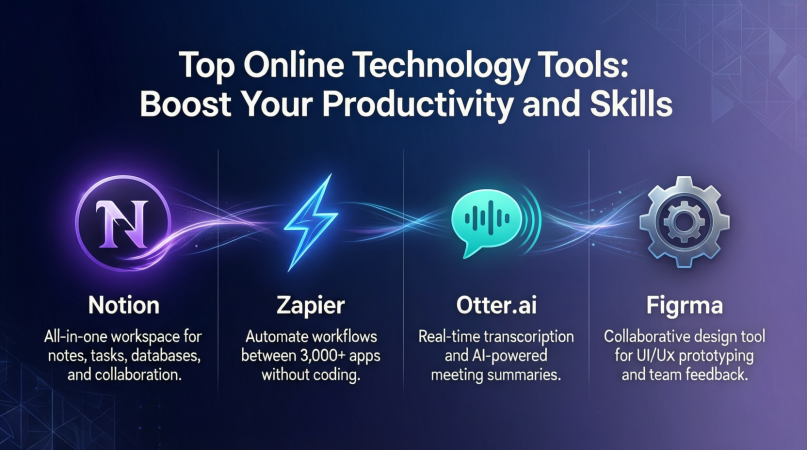
- Design Tools: Allow creation of graphics, videos, and presentations (e.g., Canva, Figma).
- Coding Tools: Enable coding, debugging, and learning programming languages online (e.g., Replit, CodePen).
- Security Tools: Protect online data and manage passwords (e.g., LastPass, NordVPN).
- Learning Tools: Enhance online learning and skill development (e.g., Coursera, Khan Academy).
These tools are designed to simplify complex processes, allowing users to focus on achieving results rather than struggling with technical details. Whether you are a beginner or an intermediate user, these tools are structured to be intuitive and user-friendly. They often include templates, guides, and automated features that reduce manual effort. This accessibility is one of the key reasons why online technology tools are gaining popularity worldwide.
Why is Top Online Technology Tools Important?

In today’s digital era, top online technology tools are no longer optional; they are essential. Here’s why:
- Efficiency and Productivity: These tools help you complete tasks faster and with better organization. For example, project management tools track progress, deadlines, and responsibilities efficiently.
- Remote Work Facilitation: Online technology tools allow collaboration across different locations. Tools like Slack and Zoom enable teams to communicate and share files in real-time.
- Cost-Effective Solutions: Many online tools offer free versions or affordable subscriptions, eliminating the need for expensive software or hardware.
- Learning and Skill Development: Tools for coding, design, and content creation help users improve their professional skills conveniently from home.
- Security and Privacy: Online security tools safeguard sensitive data, protect against cyber threats, and ensure safe digital interactions.
- Creativity Enhancement: Design and multimedia tools provide creative templates and easy-to-use interfaces that encourage innovative work without professional experience.
Without these tools, many tasks would require manual effort, more time, and higher costs. By integrating them into your routine, you can focus on achieving meaningful results rather than getting bogged down by repetitive or technical challenges. This makes top online technology tools not just a convenience but a necessity for anyone serious about productivity, learning, and digital safety.
Detailed Step-by-Step Guide to Using Top Online Technology Tools
Using online technology tools effectively requires understanding how to choose, set up, and optimize them. Here is a step-by-step guide:
Step 1: Identify Your Needs
Before choosing a tool, clarify your goals:
- Are you focusing on productivity, design, coding, security, or learning?
- Do you need collaboration features for a team or individual use?
- What is your budget—free or premium tools?
Knowing your needs helps narrow down options and ensures you select tools that fit your workflow.
Step 2: Research and Compare Tools
Once you know your needs, research available tools. Consider:
- Features: Does the tool offer everything you need?
- User-Friendliness: Is it easy to navigate for beginners?
- Support: Does the platform provide tutorials, guides, or customer support?
- Compatibility: Can it run on your devices (PC, mobile, tablet)?
- Reviews: What do other users say about the tool?
Create a shortlist of 3–5 tools for a more focused evaluation.
Step 3: Test the Tools
Most online tools offer free trials or freemium versions. Testing allows you to:
- Explore the interface and features.
- Check integration with other tools you use.
- Assess speed and reliability.
- Determine if the tool meets your expectations.
Step 4: Set Up Your Account
Once you select a tool:
- Sign up with a professional email.
- Complete your profile and settings.
- Connect necessary integrations like Google Drive, Dropbox, or Slack.
- Explore tutorials or templates for faster onboarding.
Step 5: Start Using the Tool
Begin with simple tasks to avoid overwhelming yourself:
- Create a sample project or document.
- Use templates and automated features.
- Experiment with customization options.
- Track your progress and results.
Step 6: Optimize Workflow
After initial use:
- Identify repetitive tasks and automate them where possible.
- Organize projects, folders, or dashboards for clarity.
- Set reminders or notifications to stay on schedule.
- Explore advanced features to fully utilize the tool.
Step 7: Monitor Performance and Adjust
Regularly review how the tool is impacting your workflow:
- Are tasks completed faster?
- Is collaboration smoother?
- Are you using all features efficiently?
- Would upgrading to premium unlock useful tools?
Adjust usage to maximize productivity and benefits.
Benefits of Top Online Technology Tools
Using online technology tools provides numerous advantages, including:
- Time-Saving: Automation and templates reduce manual work.
- Improved Collaboration: Teams can work together in real-time, regardless of location.
- Skill Development: Tools for coding, design, and learning improve professional abilities.
- Enhanced Creativity: Multimedia and design tools help express ideas visually.
- Cost-Effective: Many tools offer free versions or affordable subscriptions.
- Accessibility: Cloud-based platforms allow access from anywhere with an internet connection.
- Security: Online security tools protect sensitive data and passwords.
- Organization: Task management and productivity tools help track deadlines and priorities.
These benefits demonstrate why top online technology tools are indispensable for students, professionals, and anyone navigating the digital landscape.
Disadvantages / Risks
While top online technology tools are useful, they come with potential risks:
- Data Privacy Concerns: Some tools may collect user data or be vulnerable to breaches.
- Subscription Costs: Premium features can be expensive for some users.
- Overdependence: Relying too heavily on tools can reduce manual problem-solving skills.
- Learning Curve: Some advanced tools may be complex for beginners.
- Internet Dependency: Most tools require stable internet access to function.
- Limited Free Features: Free versions may restrict key functionalities.
- Compatibility Issues: Some tools may not work across all devices or operating systems.
Being aware of these risks allows users to take precautions, such as using strong passwords, backing up data, and selecting trusted tools.
Common Mistakes to Avoid
To get the most out of top online technology tools, avoid these common mistakes:
- Not Researching Before Choosing: Picking a tool without checking features or compatibility can waste time.
- Ignoring Tutorials and Guides: Learning shortcuts and best practices improves efficiency.
- Overloading on Tools: Using too many tools simultaneously can create confusion rather than productivity.
- Neglecting Security: Failing to enable two-factor authentication or backup can risk data loss.
- Skipping Regular Updates: Outdated tools may lack features or security patches.
- Not Customizing Tools: Default settings may not suit your workflow; customizing improves effectiveness.
- Ignoring Collaboration Features: Not utilizing team features reduces potential productivity benefits.
FAQs About Top Online Technology Tools
1. Are top online technology tools suitable for beginners?
Yes, most tools are designed to be user-friendly. Many platforms offer tutorials, templates, and step-by-step guides for beginners.
2. Can these tools replace traditional software?
In many cases, yes. Online tools are cloud-based, accessible anywhere, and often free or affordable, making them a practical alternative to desktop software.
3. Are these tools secure for personal and professional use?
Security depends on the tool. Trusted platforms use encryption, regular updates, and secure login options. Always choose tools with strong security reputations.
4. Do I need a high-speed internet connection to use these tools?
Yes, most online tools require internet access, but some offer offline modes or apps that work with intermittent connectivity.
5. Can I collaborate with my team using these tools?
Absolutely. Collaboration features such as file sharing, real-time editing, and communication channels are common in productivity and project management tools.
6. Are free versions of these tools enough for beginners?
Yes, free versions often provide enough features for beginners. Premium plans are useful as you advance or need additional features.
7. How can I choose the best tool for my needs?
Identify your goals, research features, test tools through free trials, and read user reviews to make an informed choice.
8. Do online technology tools support mobile devices?
Most modern tools offer mobile apps or responsive websites, making it easy to use them on smartphones and tablets.
Expert Tips & Bonus Points
- Start Small: Focus on one or two tools at a time to avoid overwhelm.
- Leverage Templates: Many tools provide pre-made templates for faster results.
- Integrate Tools: Connect tools like calendars, cloud storage, and communication apps for smoother workflow.
- Automate Repetitive Tasks: Use automation features to save time on recurring tasks.
- Stay Updated: Regularly check for updates and new features to stay efficient.
- Back Up Data: Even secure tools can fail; keep backups to prevent loss.
- Join Communities: Forums and user groups can provide tips, shortcuts, and inspiration.
- Experiment Creatively: Don’t be afraid to explore advanced features; creativity often leads to better productivity.
- Prioritize Security: Use strong passwords, two-factor authentication, and password managers to protect sensitive information.
Conclusion
Top online technology tools have transformed the way we work, learn, and manage our daily tasks. They simplify complex processes, enhance collaboration, boost productivity, and offer endless opportunities for skill development. Whether you are a student, professional, or creative individual, leveraging these tools can help you achieve more in less time. By understanding your needs, testing tools, and optimizing workflow, you can take full advantage of their benefits while minimizing risks.
While no tool is perfect, choosing the right ones and using them wisely can revolutionize your digital experience. Avoid common mistakes, focus on security, and continually explore new features to stay ahead. With the right approach, top online technology tools can become your reliable digital assistant, helping you stay organized, efficient, and competitive in an increasingly online world. Start today, explore the options, and experience how technology can simplify your life and empower your growth.