
Introduction
In today’s digital world, visual content is everywhere. From websites and social media posts to presentations and online ads, design plays a major role in how people see and trust a brand. However, not everyone can afford expensive software or hire professional designers. This is where free graphic design tools become extremely helpful. These tools allow beginners, students, bloggers, small business owners, and even intermediate designers to create high-quality visuals without spending money.
Free graphic design tools have improved a lot over the years. They are no longer basic or limited. Many of them offer templates, icons, fonts, image editing features, and export options that were once only available in paid software. Because of this, learning design has become easier and more accessible for everyone. You do not need advanced technical skills to get started. With a little practice, anyone can create eye-catching designs.
Another reason these tools are popular is convenience. Most free graphic design tools work online, so you do not need a powerful computer. You can design directly in your browser, save your work in the cloud, and access it from anywhere. This flexibility is perfect for modern workflows.
In this detailed guide, you will learn what free graphic design tools are, why they matter, how to use them step by step, their benefits, risks, and common mistakes to avoid. By the end, you will have a clear understanding of how to choose and use the right tools for your design needs.
What Are Free Graphic Design Tools?
Free graphic design tools are software applications or online platforms that allow users to create visual content without paying a fee. These tools help in designing images, logos, social media posts, banners, posters, presentations, and more. They are built for ease of use, making them suitable for beginners and intermediate users.
Most free graphic design tools offer drag-and-drop interfaces. This means you can add text, images, shapes, and icons simply by clicking and moving elements. You do not need to understand complex design theory or advanced software controls. Many tools also provide ready-made templates that save time and effort.
Some free tools are web-based, while others are downloadable programs. Web-based tools are especially popular because they do not require installation and work on different devices. Although these tools are free, they often include optional paid features. However, the free versions are usually enough for basic and moderate design tasks.
Why Are Free Graphic Design Tools Important?
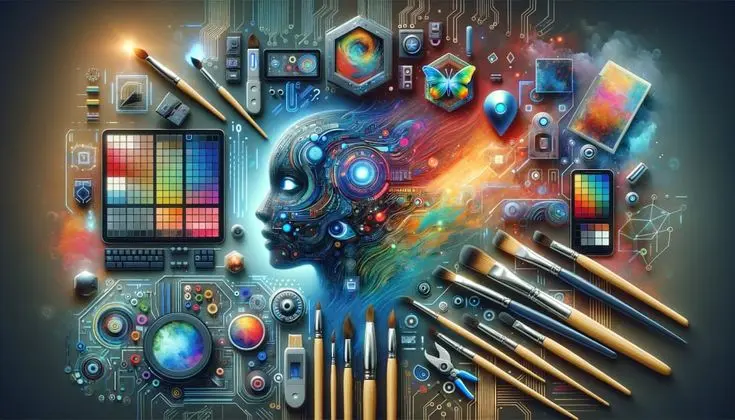
Free graphic design tools are important because they remove financial and technical barriers. Not everyone can invest in expensive software, especially beginners or small businesses. These tools give everyone a fair chance to create professional-looking designs.
They also save time. Instead of starting from scratch, users can choose templates designed by professionals. This helps maintain consistency and quality across different projects. For businesses, this means faster content creation and better branding.
Education is another key reason. Students and learners can practice design skills without worrying about costs. Over time, they can build confidence and improve creativity. Free graphic design tools also support collaboration, making teamwork easier for remote groups.
Detailed Step-by-Step Guide
Step 1: Identify Your Design Purpose
Before choosing any tool, decide what you want to design. Is it a social media post, logo, flyer, or presentation? Different tools specialize in different types of designs.
Step 2: Choose the Right Tool
Select a tool that matches your needs. Some tools are better for image editing, while others focus on layouts and templates. Read the features carefully.
Step 3: Create an Account
Most online tools require a free account. Sign up using your email. This allows you to save and access your designs later.
Step 4: Select a Template or Canvas
Start with a blank canvas or choose a template. Templates are helpful for beginners because they already follow good design rules.
Step 5: Customize Your Design
Edit text, change colors, add images, and adjust layouts. Use built-in elements like icons and shapes to enhance your design.
Step 6: Review and Refine
Check alignment, spelling, and color balance. Make sure your design looks clean and readable.
Step 7: Export or Share
Download your design in the required format. Many free graphic design tools allow sharing directly on social platforms.
Benefits of Free Graphic Design Tools
- Cost-effective solution for beginners and small businesses
- Easy to use with drag-and-drop features
- Access to templates, fonts, and icons
- No need for advanced hardware
- Encourages creativity and learning
- Supports quick content creation
Disadvantages and Risks
- Limited features compared to paid versions
- Watermarks in some free plans
- Restricted export formats or sizes
- Internet dependency for online tools
- Less control over advanced design settings
Common Mistakes to Avoid
Many beginners rely too much on templates without customization. This can make designs look generic. Another mistake is using too many fonts or colors, which reduces clarity. Ignoring image quality is also common. Low-resolution images can make designs look unprofessional. Always preview your design before finalizing.
FAQs
Are free graphic design tools good for beginners?
Yes, they are perfect for beginners because they are easy to use and require no prior experience.
Can I use free graphic design tools for business?
Many tools allow commercial use, but always check the license terms.
Do free tools offer enough features?
For basic and intermediate needs, free tools usually offer enough features.
Are online tools safe to use?
Most popular platforms are safe, but use strong passwords and trusted services.
Can I collaborate with others?
Some free tools support collaboration, but features may be limited.
Do I need design skills to start?
No, templates and simple controls make it easy to begin learning design.
Expert Tips and Bonus Points
Focus on simplicity and consistency. Use brand colors and fonts when possible. Save your designs in editable formats for future updates. Practice regularly to improve your skills. Explore different tools to understand their strengths.
Conclusion
Free graphic design tools have changed the way people create visual content. They provide an affordable and accessible way to design without compromising quality. Whether you are a student, blogger, or small business owner, these tools can help you communicate ideas clearly and creatively. By understanding their features, benefits, and limitations, you can make better design choices. With regular practice and attention to detail, free graphic design tools can become a powerful part of your digital toolkit.