
Introduction
Learning to code has become an essential skill in today’s digital world, especially for students who want to build a strong future. Coding software for students plays a very important role in making programming easy, practical, and enjoyable. Whether a student wants to create websites, mobile apps, games, or simple programs, the right tools can make learning faster and less confusing. Many beginners feel scared when they hear the word “coding,” but modern coding software for students is designed to be user-friendly and supportive.
In schools, colleges, and even at home, students are now encouraged to learn basic programming skills. Coding software for students helps them write code, find mistakes, and understand how programs work step by step. These tools often come with simple interfaces, helpful hints, and built-in features that guide learners. As a result, students can focus more on logic and creativity instead of struggling with complex setups.
Moreover, coding software for students supports different learning styles. Some students learn better by typing code, while others prefer visual blocks or interactive lessons. Good software provides options for both beginners and intermediate learners. With regular practice, students gain confidence, problem-solving skills, and logical thinking abilities.
In this guide, you will learn everything about coding software for students, including what it is, why it matters, how to use it step by step, its benefits, risks, common mistakes, and expert tips. This article is written in simple English so that anyone can understand and apply the knowledge easily.
What is Coding Software for Students?
Coding software for students refers to computer programs or applications that help learners write, test, and run code. These tools are specially designed to support students at different learning levels, from complete beginners to intermediate coders. They provide an environment where students can practice programming languages like Python, Java, C++, or JavaScript.
Most coding software for students includes features such as a code editor, compiler or interpreter, and error detection. This means students can write code, run it, and see the results instantly. Some tools also offer tutorials, sample projects, and practice exercises. These features make learning more structured and less overwhelming.
In addition, coding software for students can be installed on computers or used online through web browsers. Online platforms are especially useful for students who do not have powerful devices. They remove the need for complicated installations and allow learning from anywhere.
Overall, coding software for students acts as a learning partner. It guides students, helps them fix mistakes, and encourages them to keep practicing. Without such tools, learning coding would be much harder and less engaging.
Why is Coding Software for Students Important?

Coding software for students is important because it makes learning programming practical and accessible. Reading coding theory alone is not enough. Students need hands-on practice to truly understand how code works. Coding software provides this practice in a safe and controlled environment.
Another key reason is skill development. Coding software for students helps improve logical thinking, problem-solving, and creativity. These skills are useful not only in programming but also in daily life and future careers. Students learn how to break big problems into smaller steps and solve them efficiently.
Furthermore, coding software for students prepares learners for future job markets. Many careers now require basic coding knowledge, even outside the IT field. Early exposure gives students a strong advantage. It also boosts confidence, as students see real results from their work.
Lastly, coding software for students supports independent learning. With built-in guides and feedback, students can learn at their own pace. This reduces dependency on teachers and allows continuous improvement, even outside the classroom.
Detailed Step-by-Step Guide
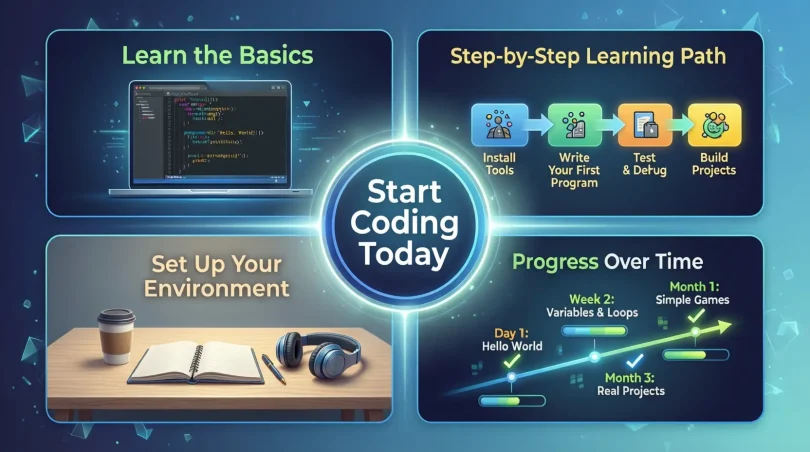
Step 1: Choose the Right Coding Software
The first step is selecting suitable coding software for students. Beginners should choose tools with simple interfaces and clear instructions. Intermediate students can select software that supports advanced features and multiple languages.
Step 2: Install or Access the Software
Some coding software for students requires installation, while others work online. Follow the setup instructions carefully. Make sure the system meets basic requirements to avoid performance issues.
Step 3: Learn the Interface
Spend time exploring the interface. Understand where to write code, how to run programs, and where results appear. Most coding software for students includes menus and toolbars that are easy to learn.
Step 4: Start with Basic Programs
Begin with simple programs like printing text or basic calculations. Coding software for students often provides sample code to help beginners understand syntax and structure.
Step 5: Practice Regularly
Consistency is key. Practice daily using coding software for students. Try small challenges and gradually move to complex tasks. Regular practice builds confidence and speed.
Step 6: Debug and Improve
Mistakes are part of learning. Coding software for students highlights errors and suggests fixes. Learn from these mistakes and improve your code step by step.
Step 7: Build Small Projects
Once comfortable, create small projects like calculators or simple games. Projects help students apply what they have learned in real situations.
Benefits of Coding Software for Students
- Makes learning coding simple and structured
- Improves logical thinking and problem-solving skills
- Provides instant feedback and error detection
- Supports self-paced and independent learning
- Prepares students for future careers
- Encourages creativity and innovation
- Saves time with built-in tools and features
Disadvantages / Risks
- Overdependence on software hints
- Limited learning if used without proper guidance
- Distractions from unnecessary features
- Compatibility issues on low-end devices
- Risk of copying code without understanding
Common Mistakes to Avoid
Many students rush into advanced topics without mastering basics. This leads to confusion later. Another common mistake is ignoring error messages. Coding software for students provides helpful feedback that should not be skipped.
Some learners also practice irregularly. Without consistency, progress becomes slow. Additionally, copying code from examples without understanding logic limits learning. Students should always try to understand what each line does.
FAQs
What is the best coding software for students?
The best coding software for students depends on their level. Beginners should choose simple tools, while intermediate learners can use advanced environments.
Can students learn coding without teachers?
Yes, coding software for students supports self-learning, but guidance improves understanding.
Is coding software for students free?
Many tools are free, while some offer paid advanced features.
Which languages are best for students?
Python and JavaScript are popular choices for beginners due to simplicity.
How much time should students practice daily?
At least 30 to 60 minutes daily is recommended for steady progress.
Is coding software for students safe to use?
Yes, most reputable tools are safe when downloaded from trusted sources.
Expert Tips & Bonus Points
Students should set clear learning goals before using coding software for students. Tracking progress helps maintain motivation. Joining coding communities can also improve learning through shared knowledge.
Another expert tip is to revise old projects. Improving previous code strengthens understanding. Lastly, students should stay patient and enjoy the learning process, as coding is a skill built over time.
Conclusion
Coding software for students has become a powerful learning tool in modern education. It simplifies programming concepts and provides hands-on experience that books alone cannot offer. By using coding software for students regularly, learners can develop strong logical thinking, creativity, and technical skills. These abilities are valuable not only for coding but also for academic and professional growth.
Moreover, coding software for students supports independent learning and builds confidence. Students can experiment, make mistakes, and learn at their own pace. With the right approach, even beginners can progress to intermediate levels smoothly. Choosing suitable tools, practicing consistently, and avoiding common mistakes are key steps toward success.
In conclusion, coding software for students is an essential resource for anyone who wants to learn programming effectively. With dedication and smart use of these tools, students can open doors to countless opportunities in the digital world.